Devon Mammal Atlas
DBRC and Devon Mammal Group are working together over the next three years to complete the county’s first ever mammal atlas. This is a major undertaking for both organisations, working in partnership to gather presence records for 33 different species. Ranging from our best known and most seen, to our most elusive, which also includes some of those newest to Devon. Through late 2029 DBRC will complete the online design, and launch the Atlas within its website, providing access to distribution maps and accompanying information on each species, which will be provided by experts within the Devon Mammal Group.
Over that time, the project will need significant help from members of the public, collecting ad hoc records when out on their daily walk through to taking part in organised volunteer surveys. We will work with community groups to share skills and tools, and liaise with professional organisations, who gather species sightings as part of their work. There will be a range of activity at varying points within the year, usually based on when each species might be more active and visible, but sightings could be possible at any time.
The project will promote focus on some key species at anyone time where possible, and will advertise volunteer survey opportunities in advance. However, as we expect these to be popular we will also provide online training and other support, so that as many people can take part as possible. There may also also be opportunities for home based support of the project, with volunteers able to help identify sightings from remote sensing, by helping analysis trail cam footage or by passing on records from social media and other relevant forums.
The partnership will focus on the following species – badger, beaver, brown hare, all deer species, hazel dormouse, hedgehog, mink, mole, otter, pine marten, polecats, rabbit, rats and mice, red fox, shrews, squirrels, stoat, voles, weasel and wild boar.
Some of which are sensitive species and have a higher conservation concern than others, a subject our partnership deals with on a daily basis. This element sits at the heart of the project, and as a professional biodiversity data manager, DBRC has the expertise and policies required to ensure that this data is held securely, and that the resulting Atlas reduces the resolution of mapping for sensitive species.
At the very heart of the atlas will be the ability to educate and inspire people and communities about these species, so they are better recognised in their importance and fragility within the county. At all times the project partnership will work to ensure that the information gathered will be used to enhance and safeguard, and that no species will be put at risk through its publication.
Where possible please submit your sighting to DBRC direct through our website https://www.dbrc.org.uk/wildlife-sightings/ as it is the best way to ensure your record is able to be used within the Atlas project.
This is because DBRC ideally needs the data at capture resolution for each record, we then reduce the resolution at our end for use in the atlas at varying scales, based on the varying species and their ecological sensitivity. However, we can also ensure that the data feeds into decision making processes such as planning and policy at the most appropriate resolution too.
Many apps such as iNaturalist and iRecord have sensitive species polices which automatically reduce the resolution, in some cases this will be to 10km squares. Whilst we can legitimately access records from those apps, the real location cannot be retro engineered, and the drop in resolution makes the record unusable for this project.
If you have any queries on this subject, please do get in touch and we can advise on whether a particular app that you may already be using is suitable.
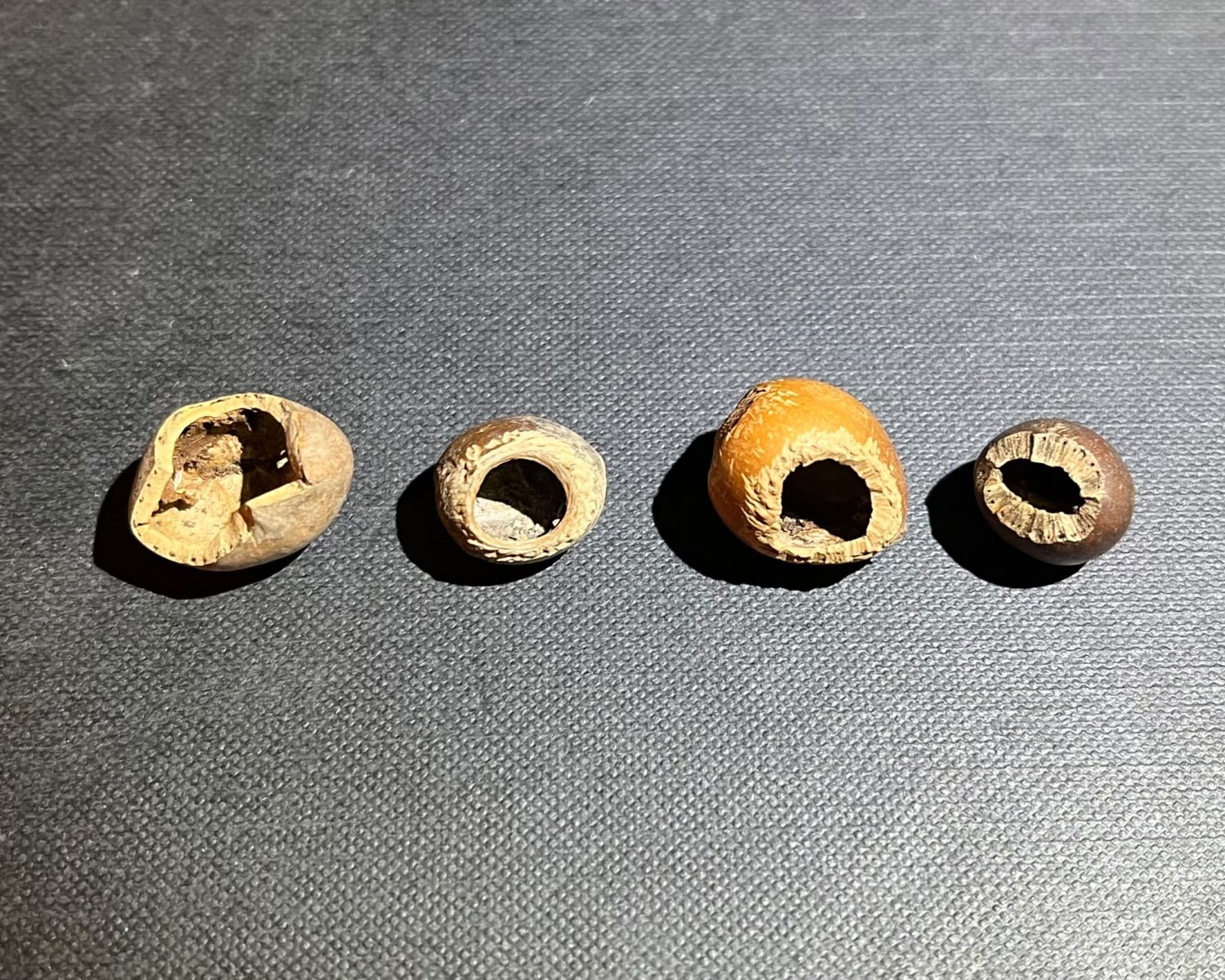
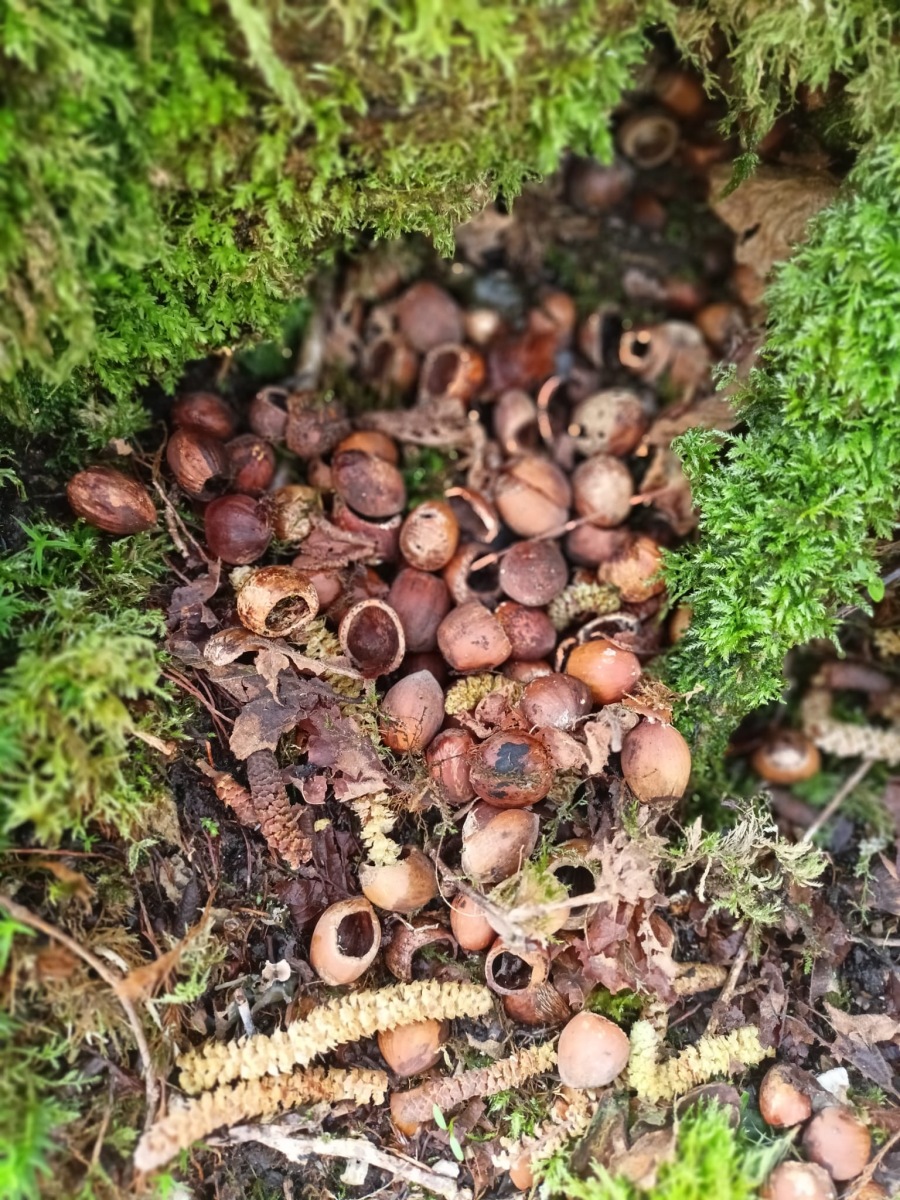
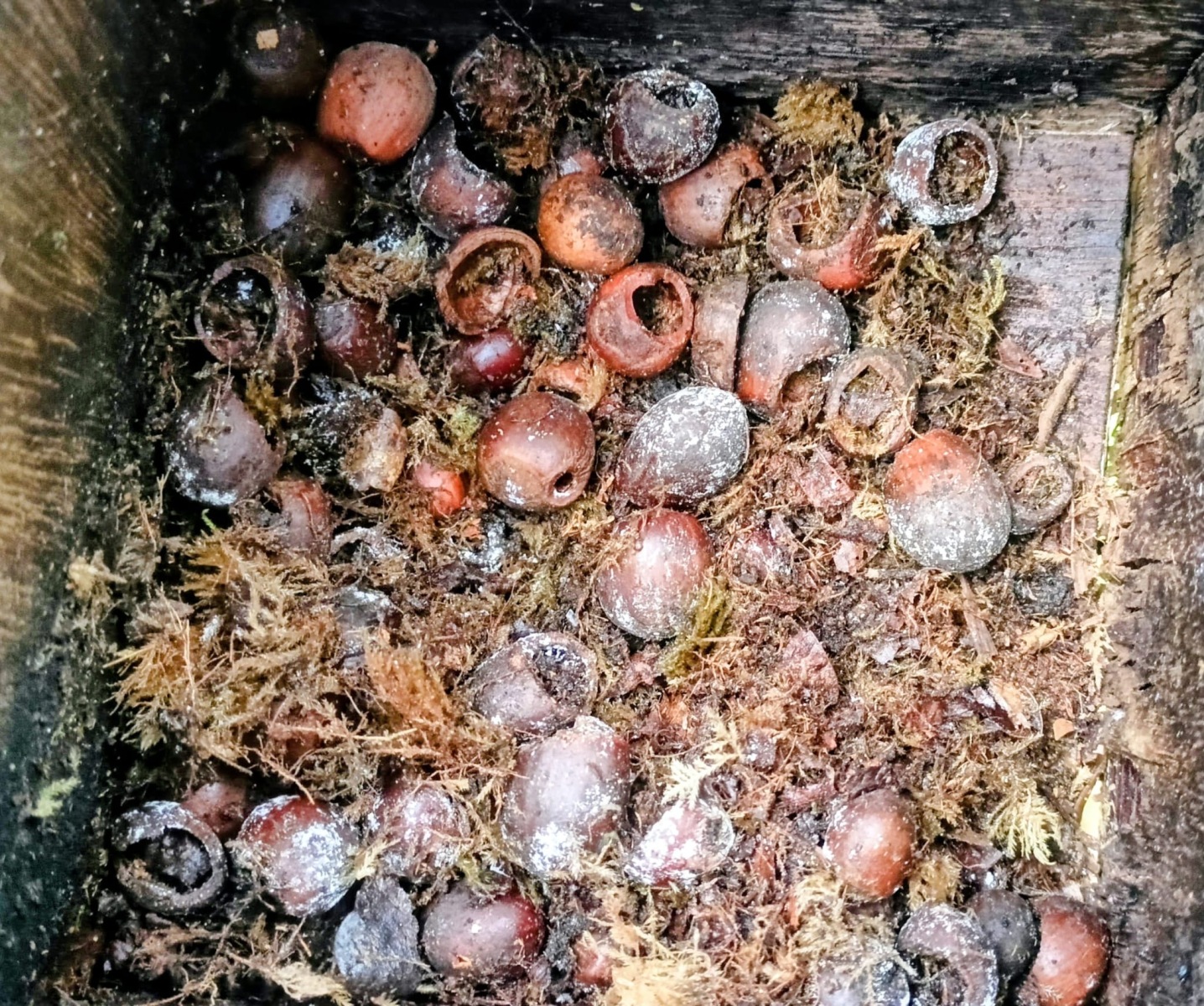
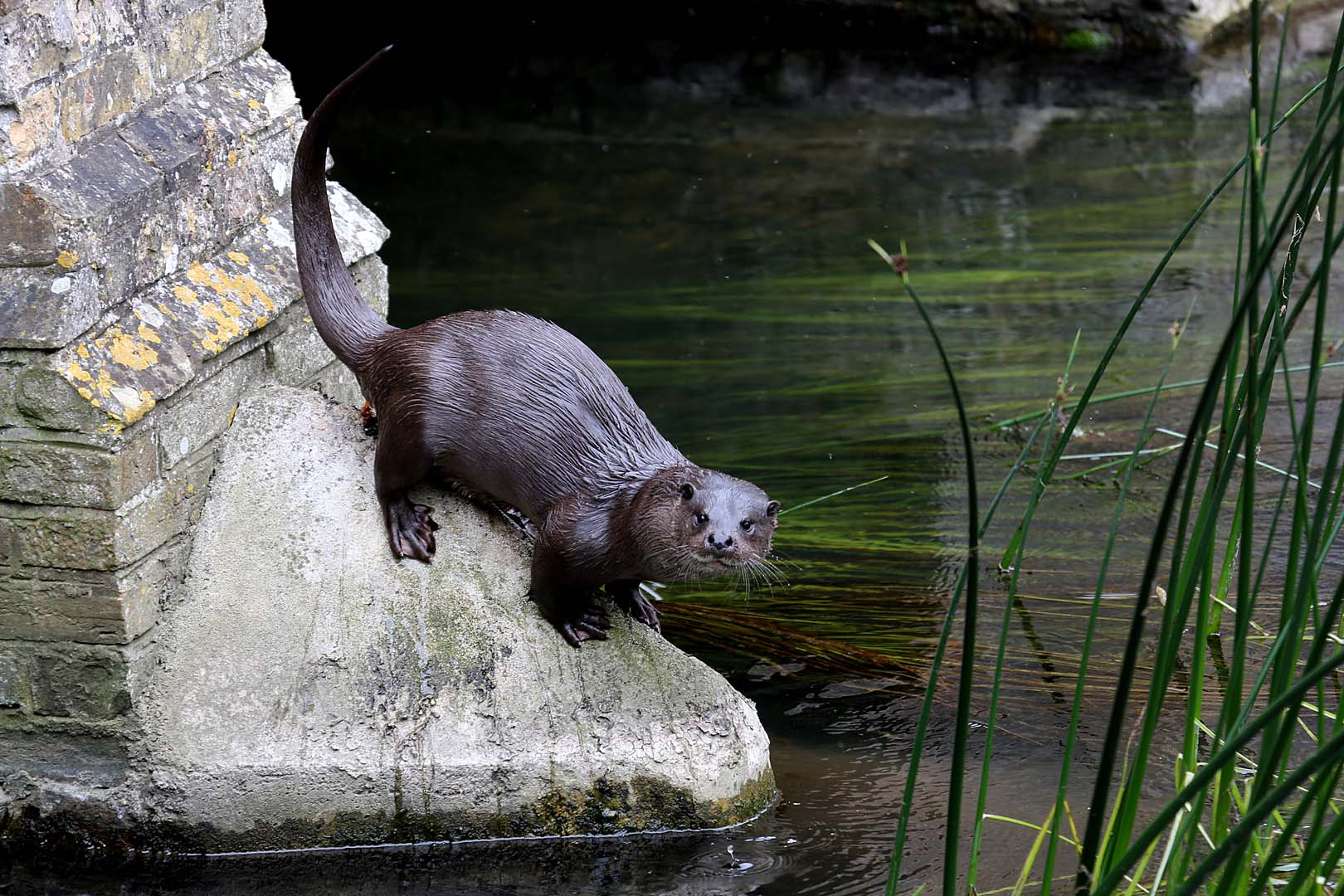
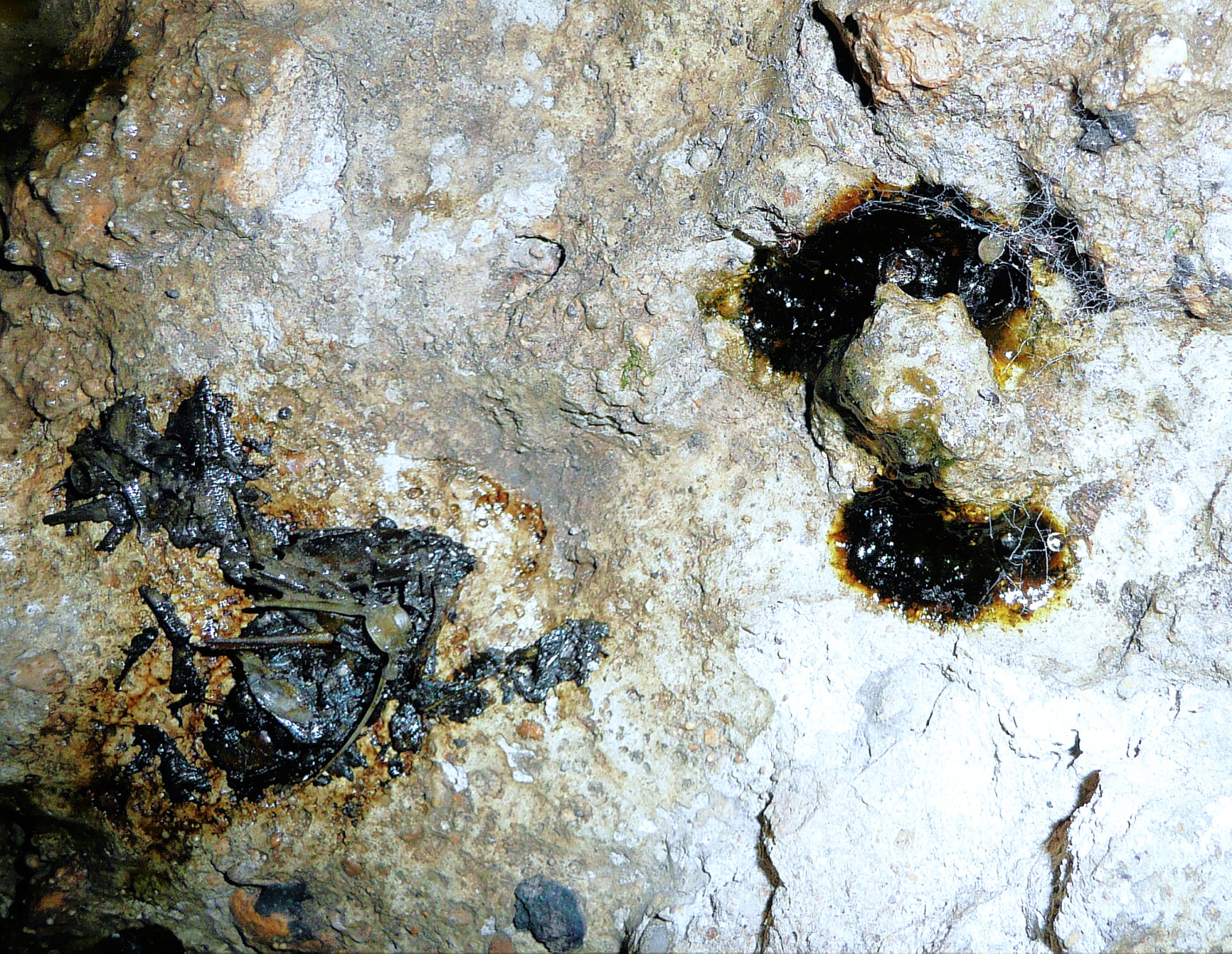
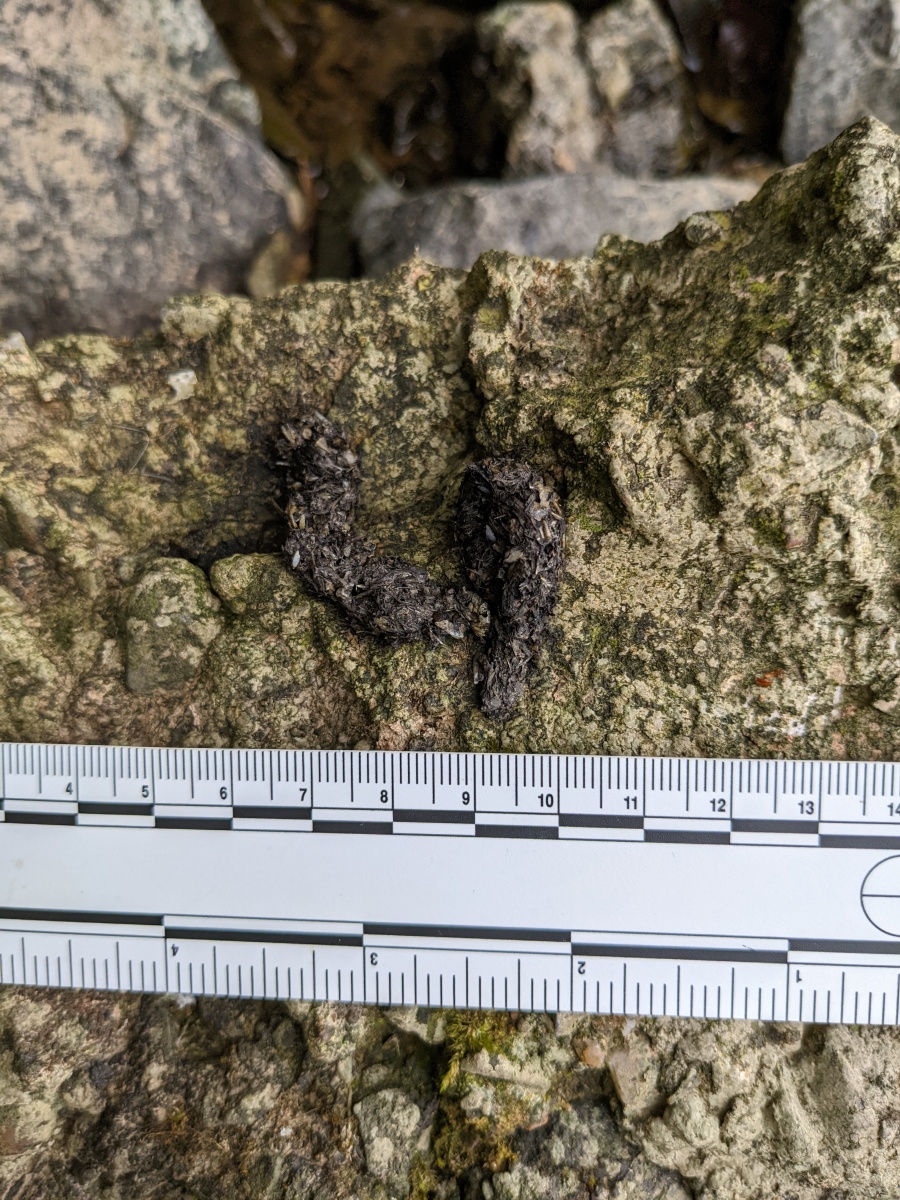
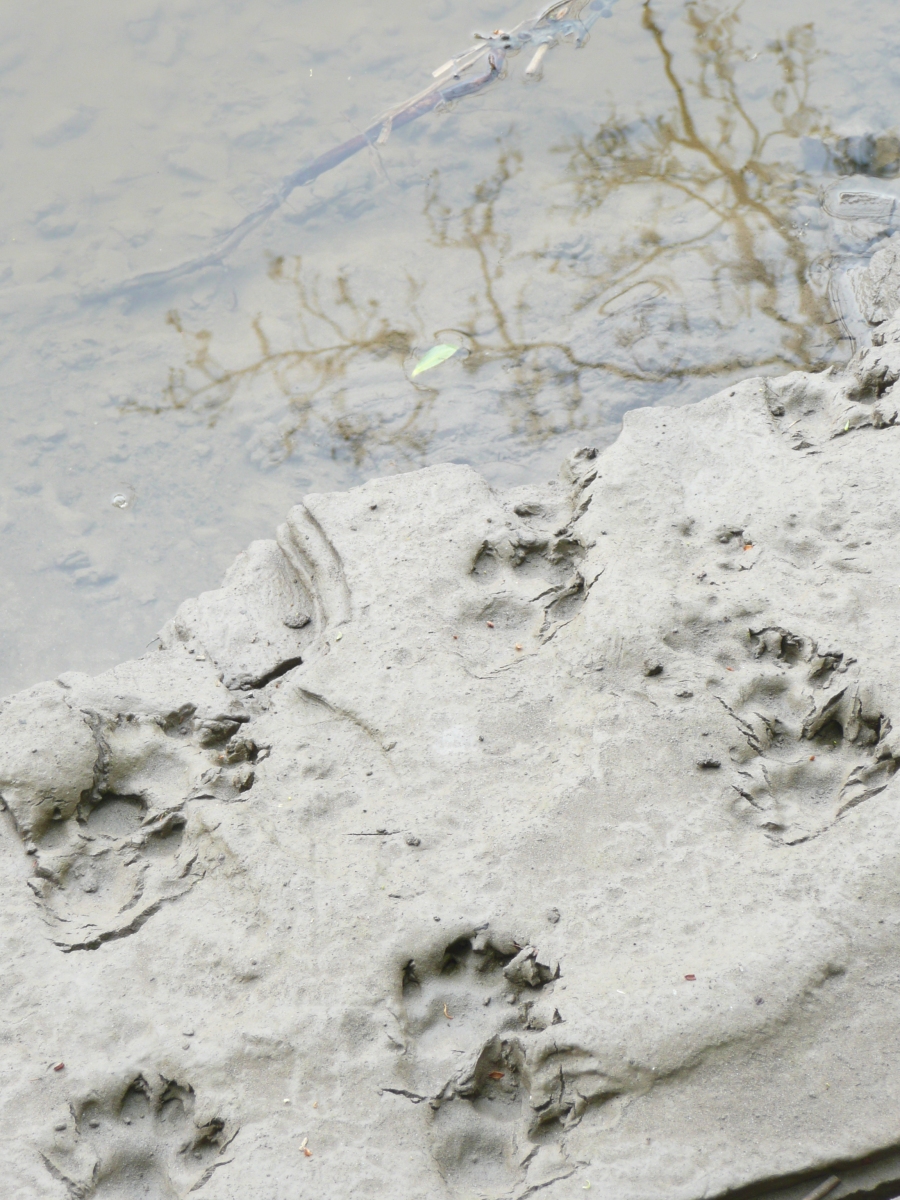
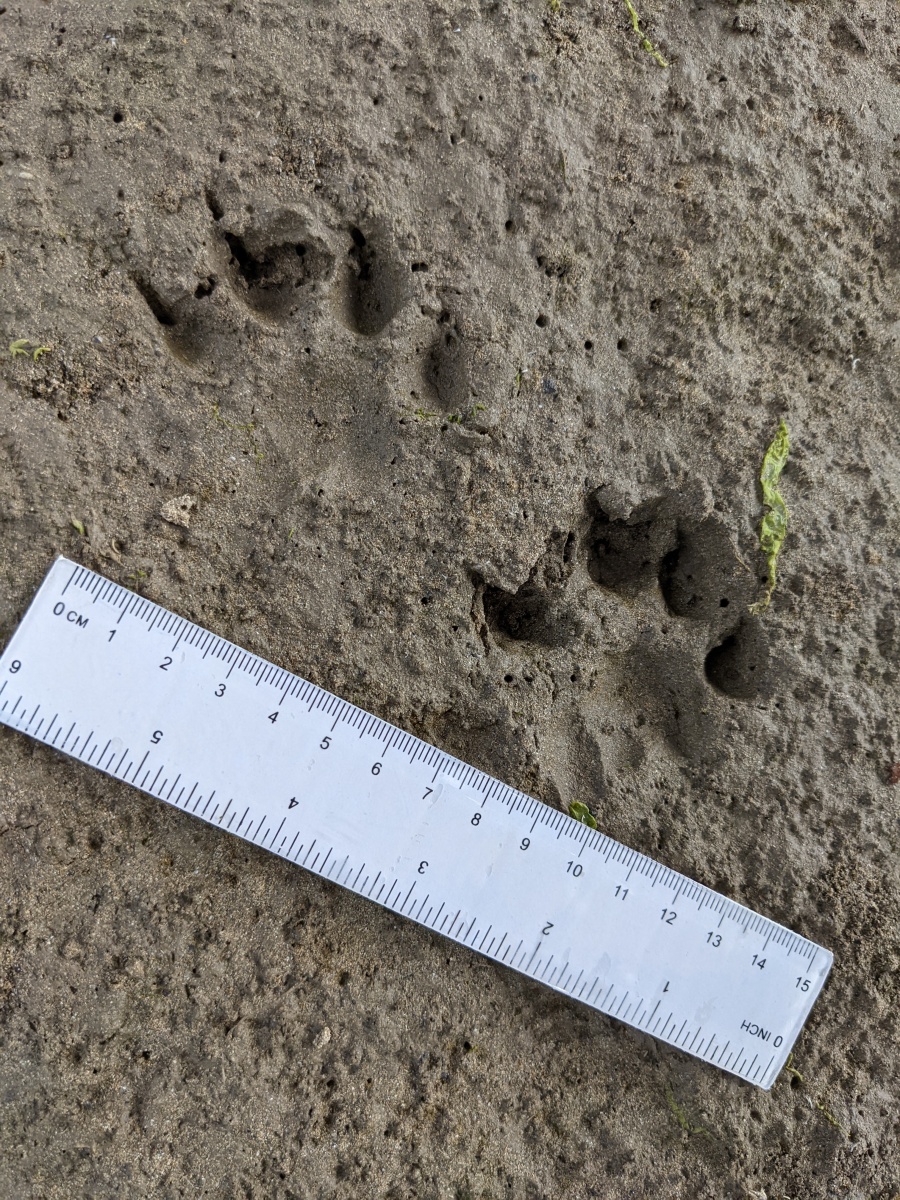
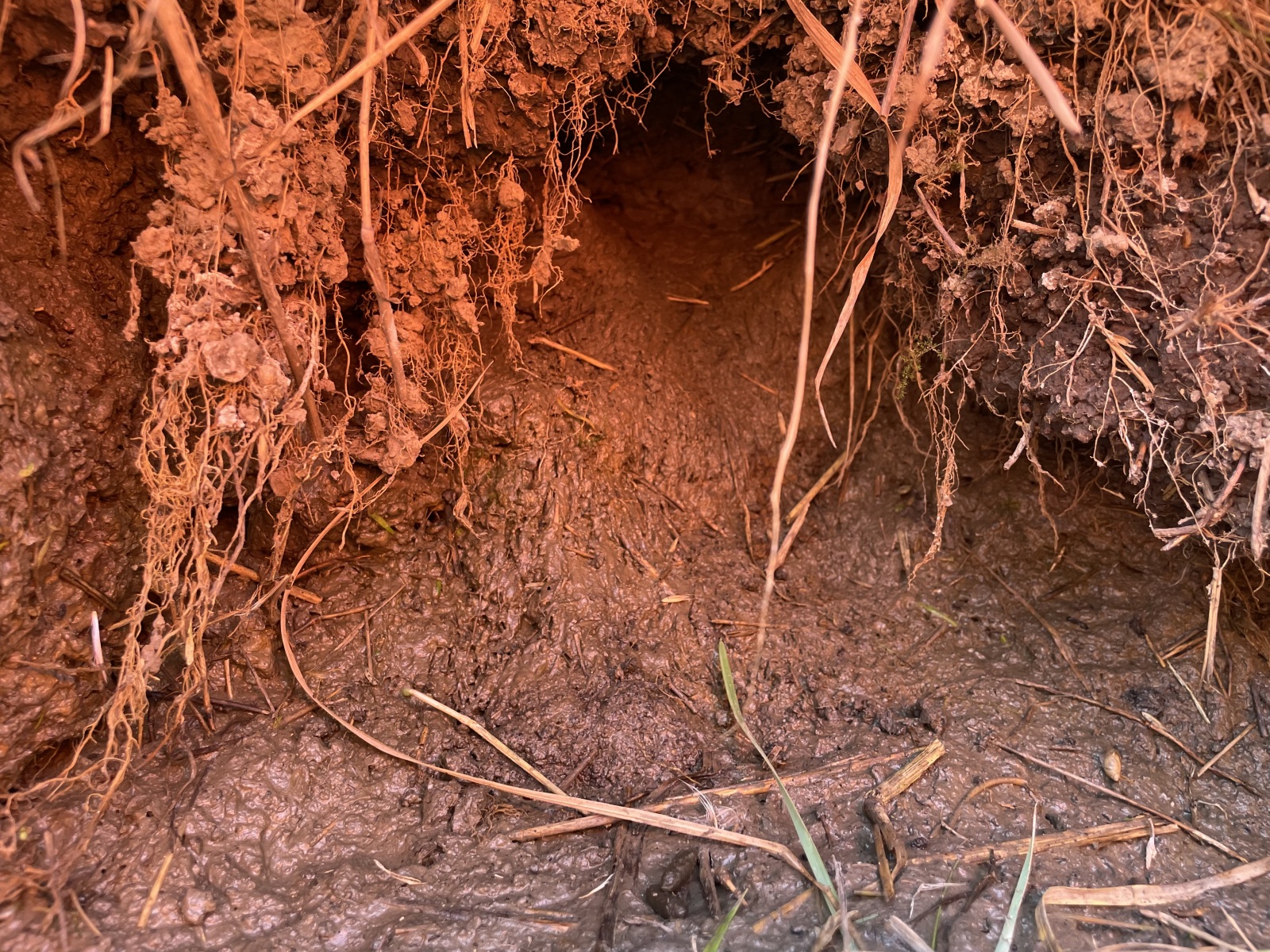
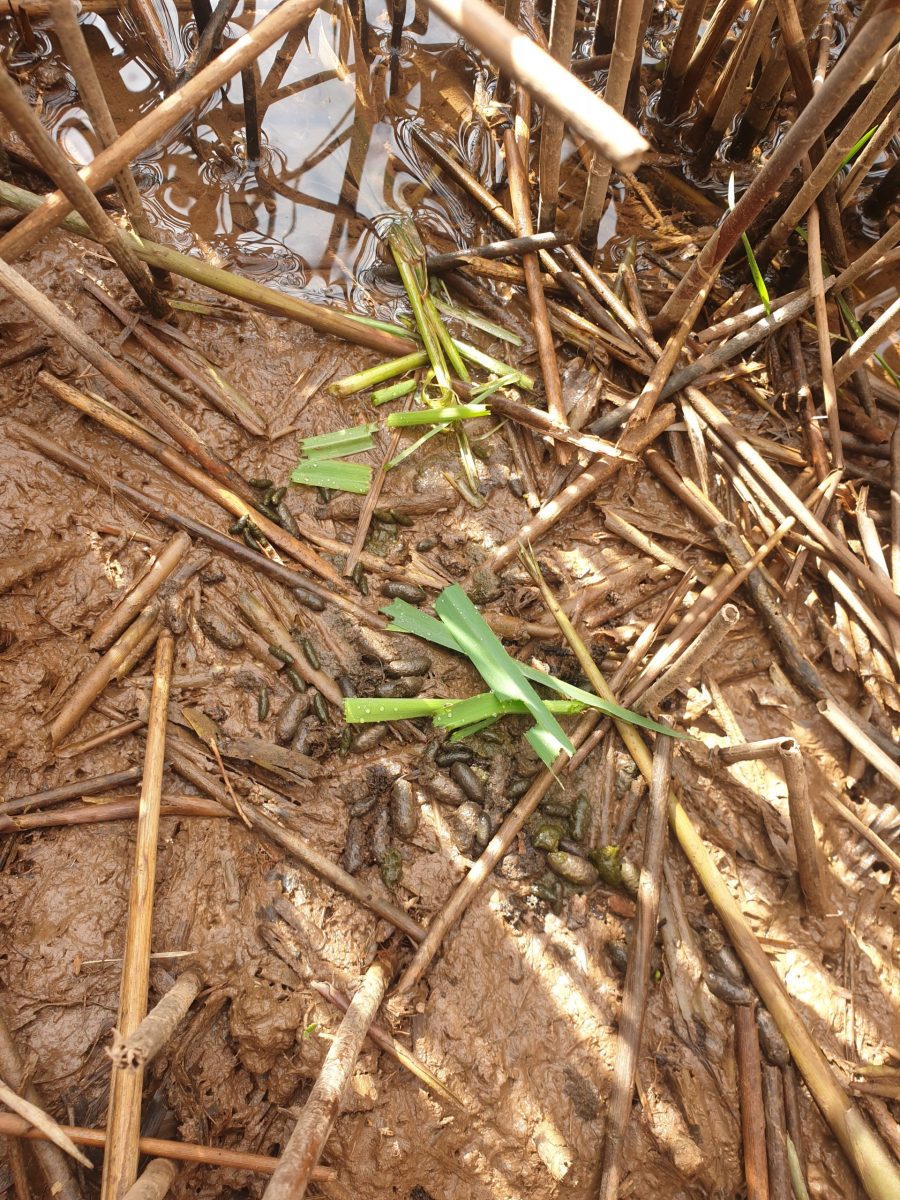
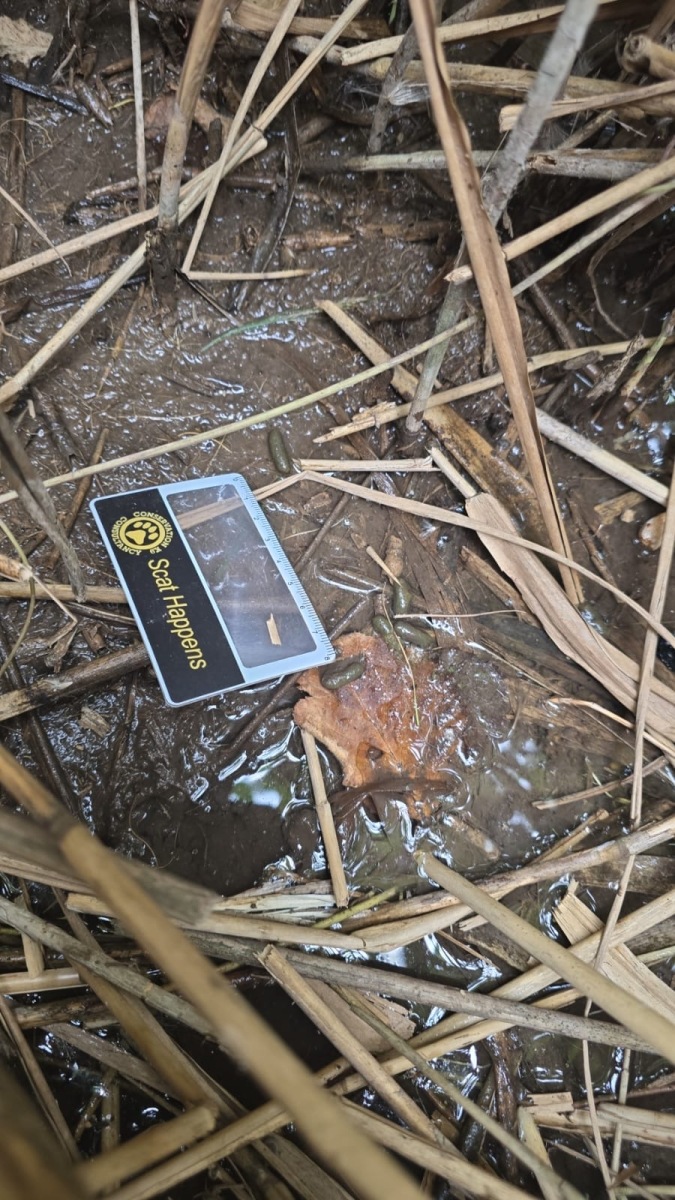
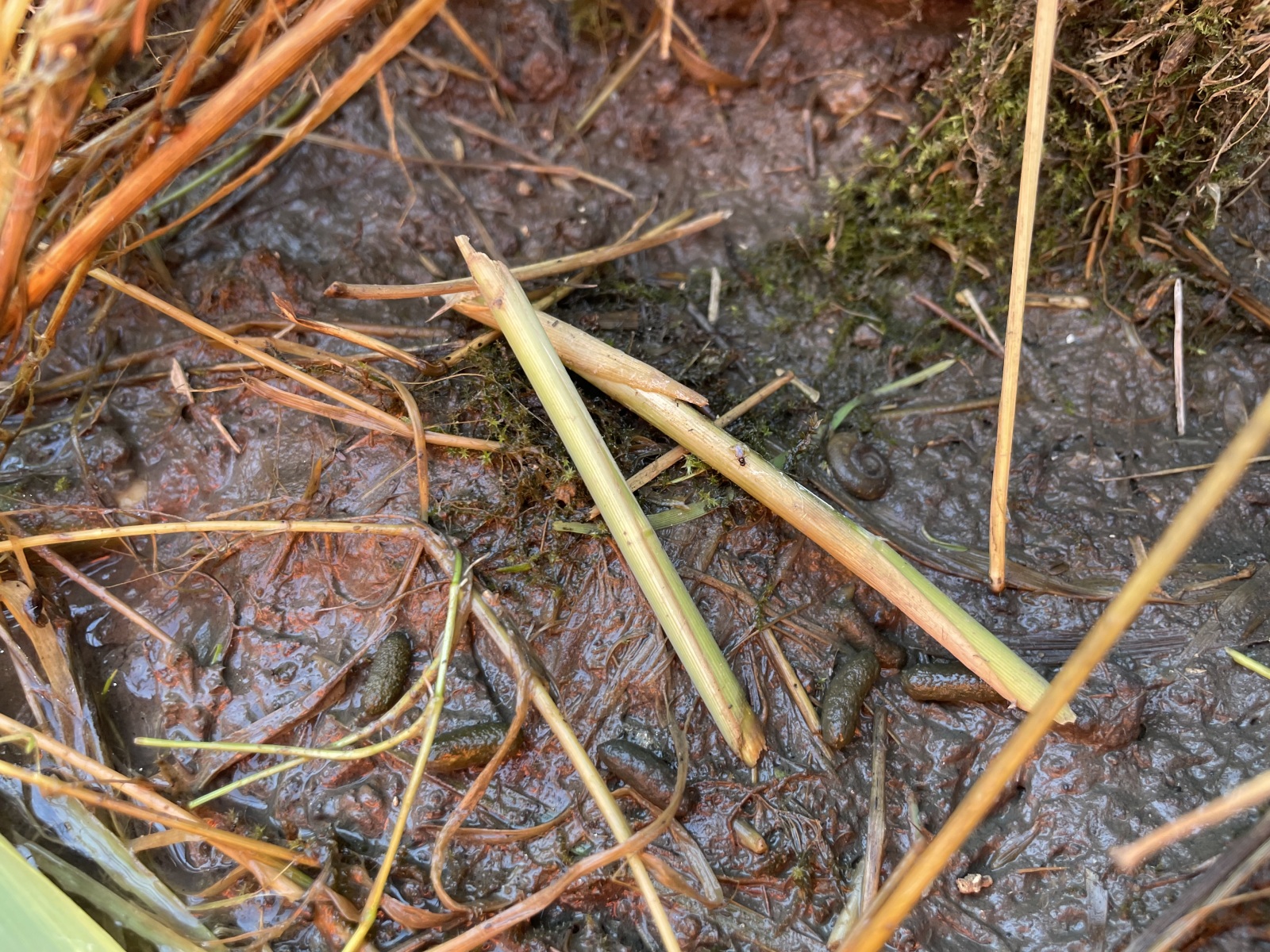
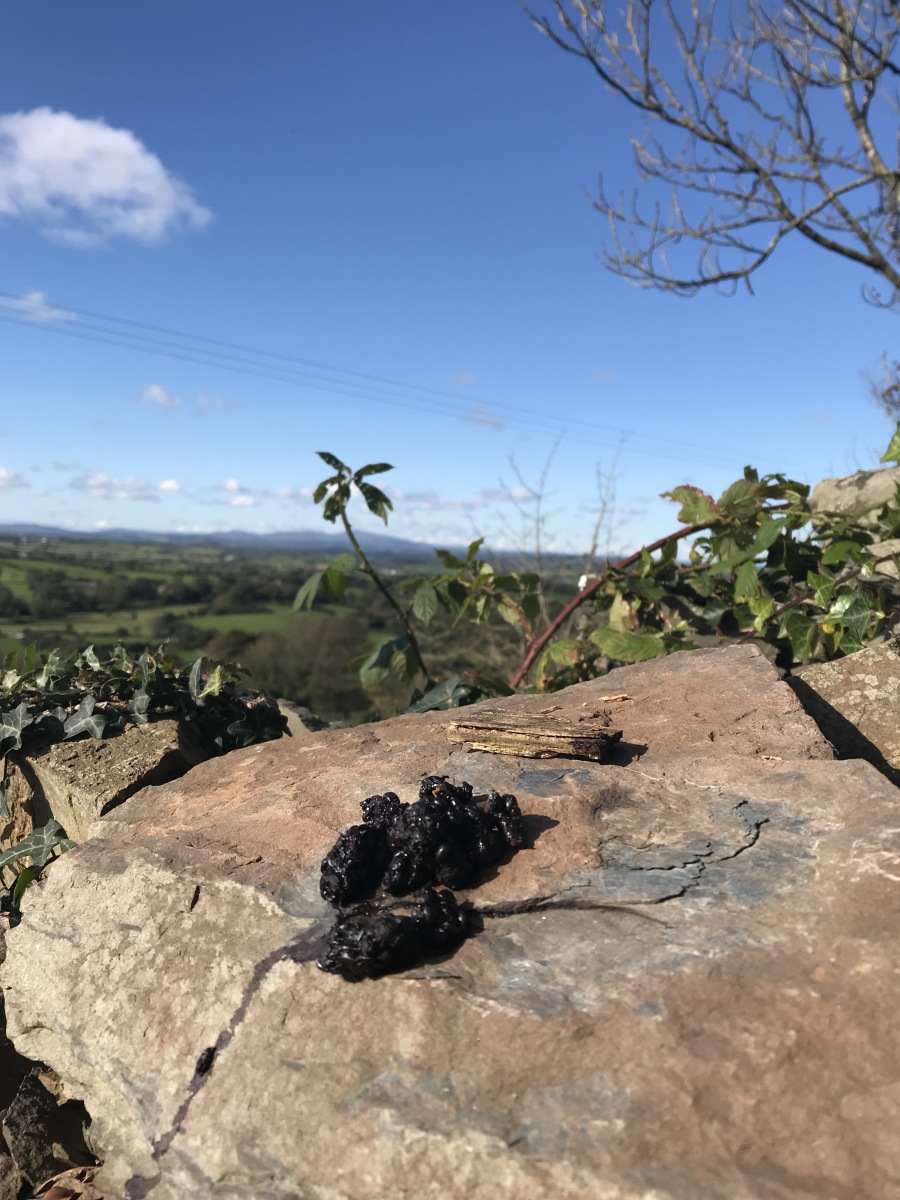
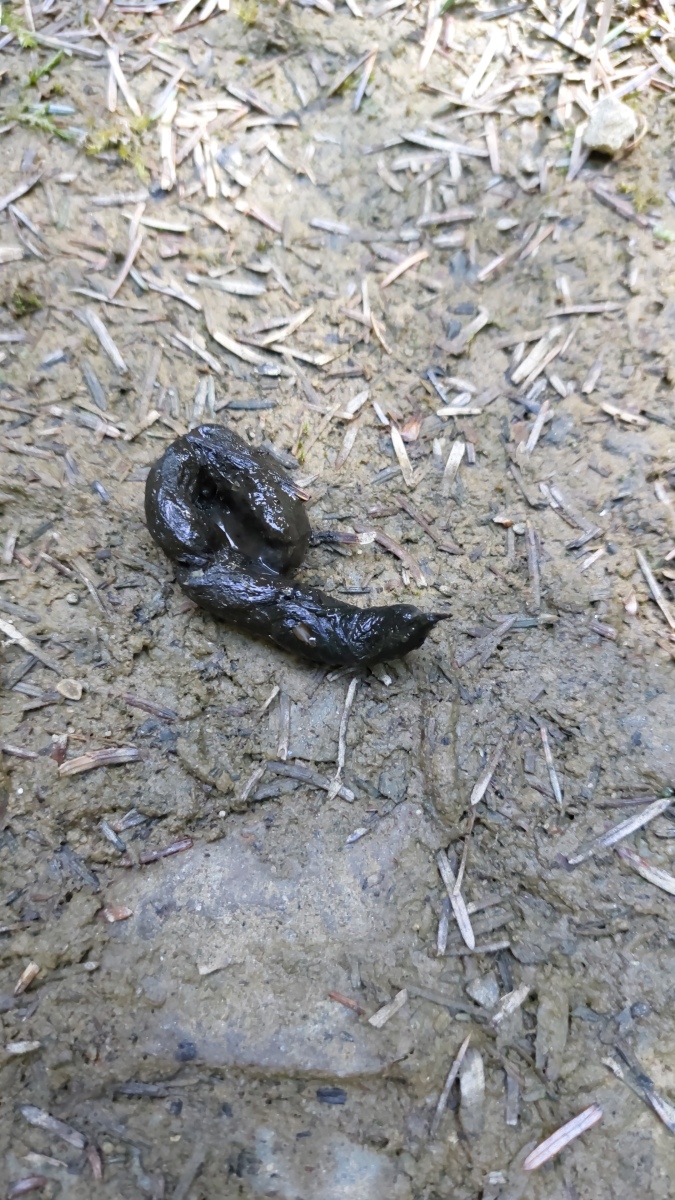
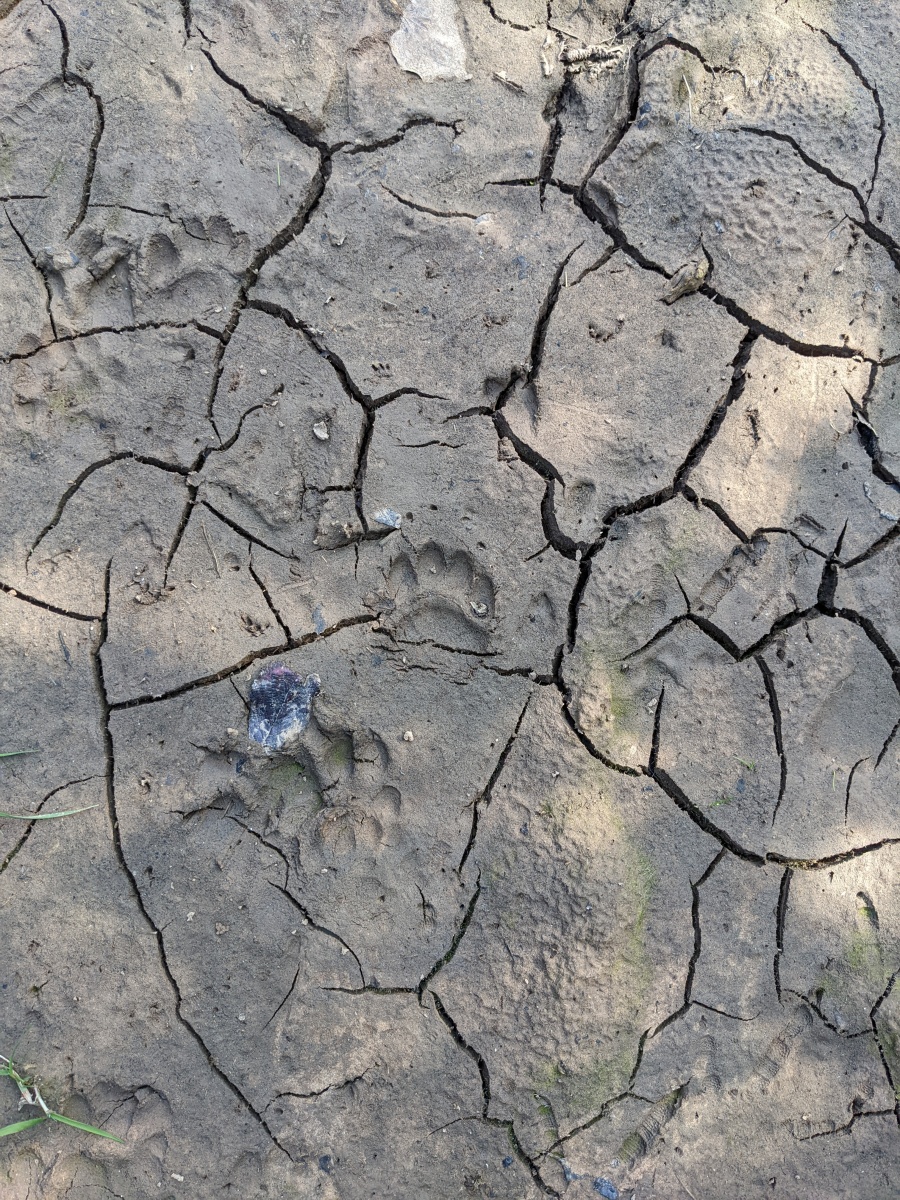
A gallery of some common mammal signs. Please click on the image to see more information and image credits.